Judiciary urges state to plug funding gap as Nairobi courts face heavy caseload

The Judiciary has closed nationwide budget hearings in Nairobi, warning a Sh17 billion funding gap could undermine court security, digital reforms and efforts to ease heavy caseloads in the capital.
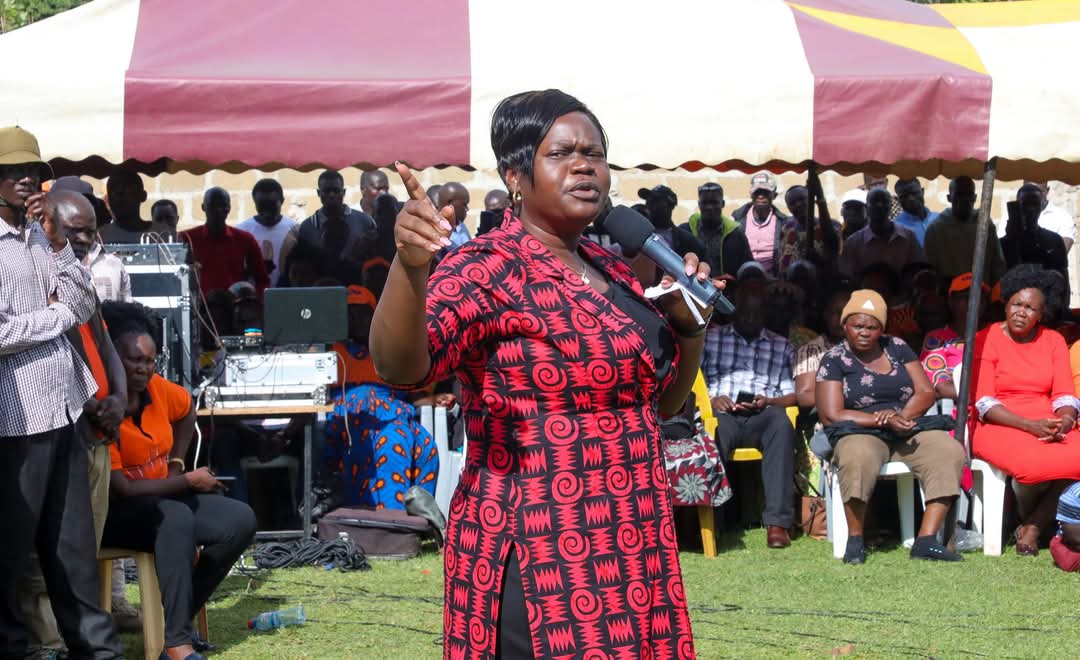
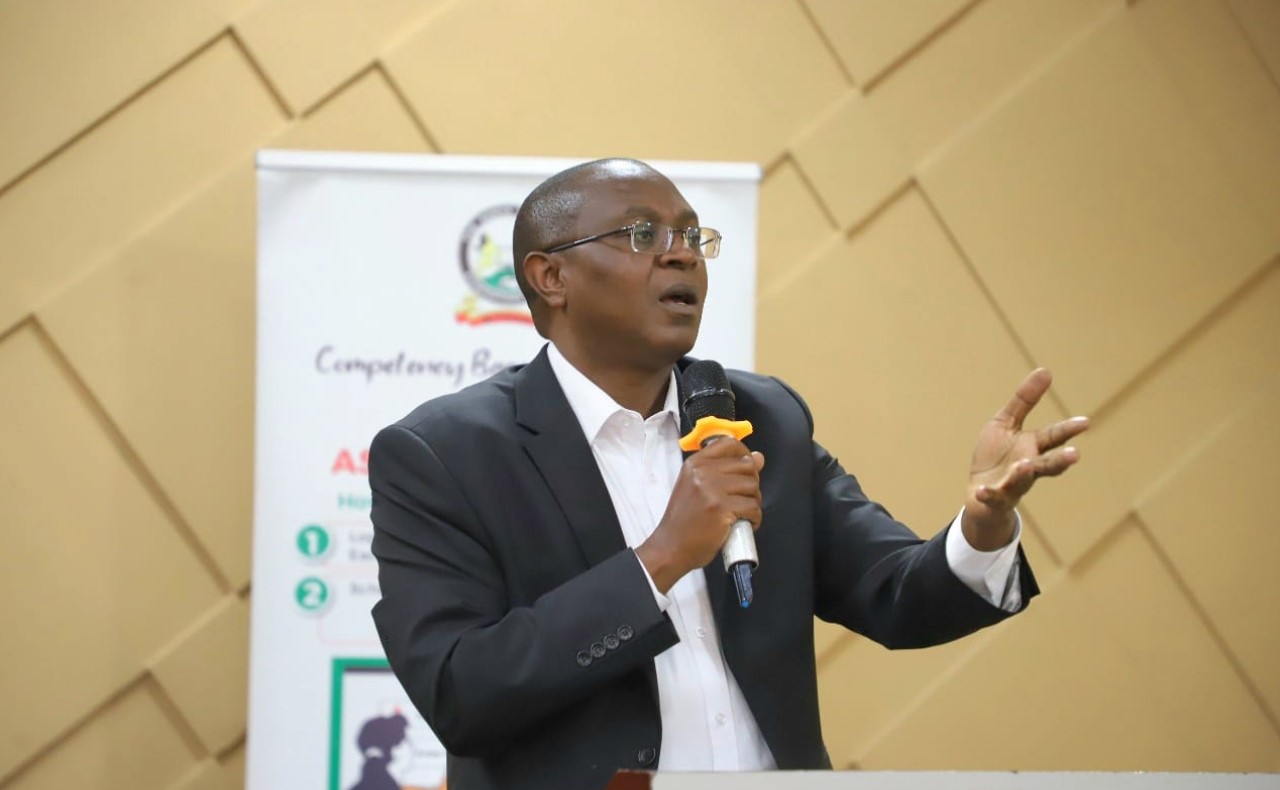
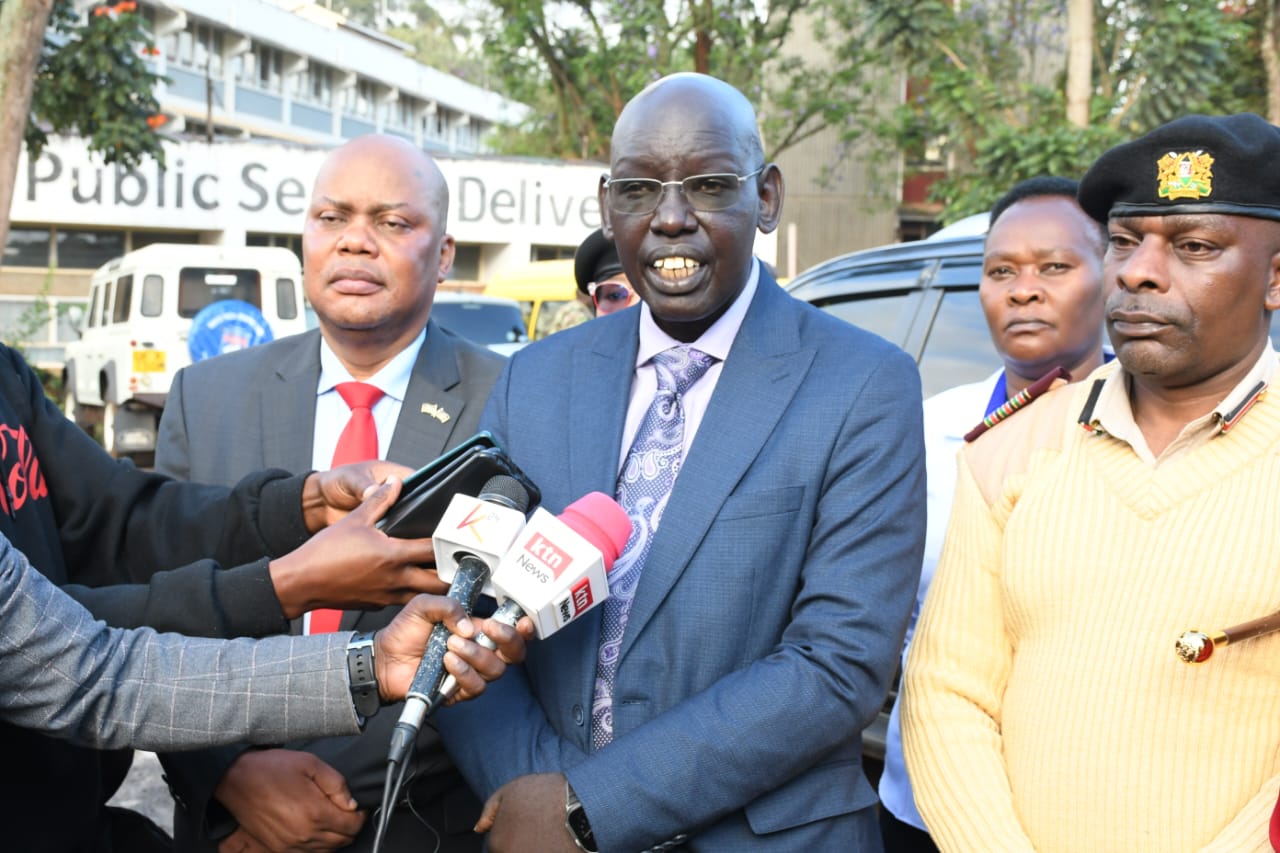
The Judiciary has renewed its appeal for an increased budgetary allocation to strengthen justice delivery across the country, as it concluded its nationwide public participation hearings for the 2026/27 financial year in Makadara, Nairobi.
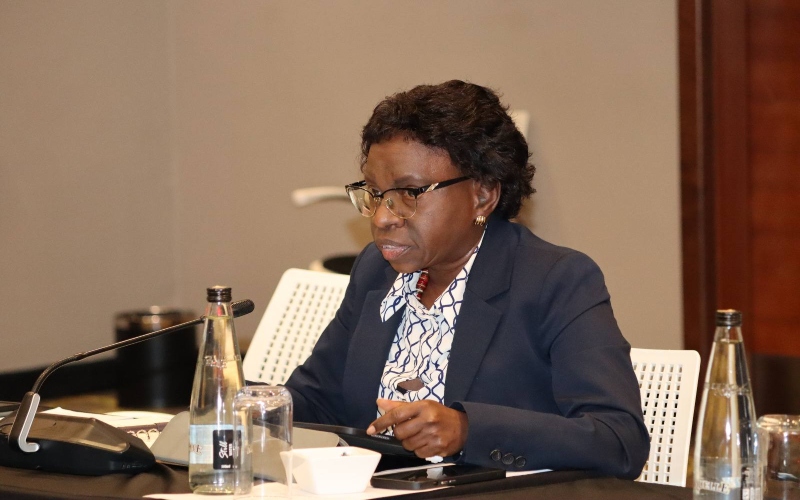
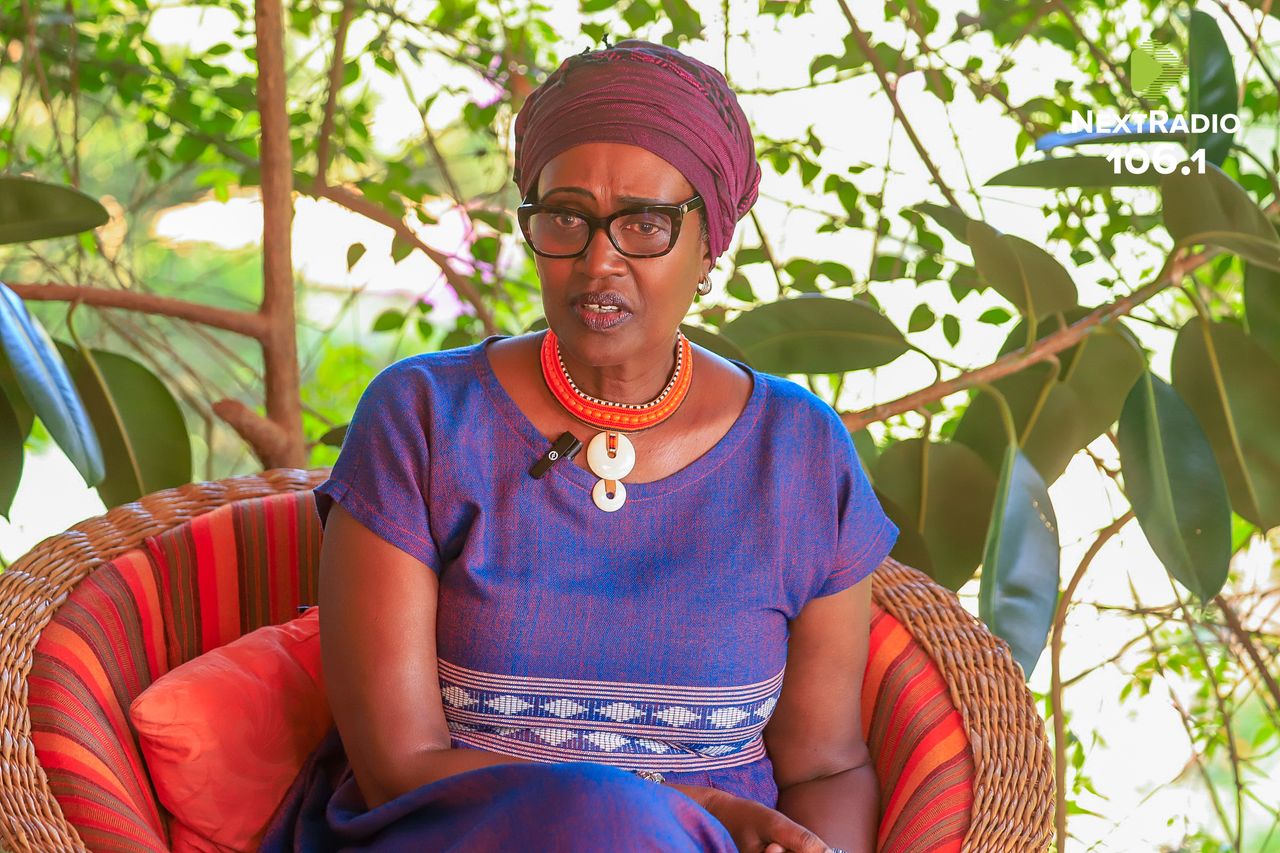
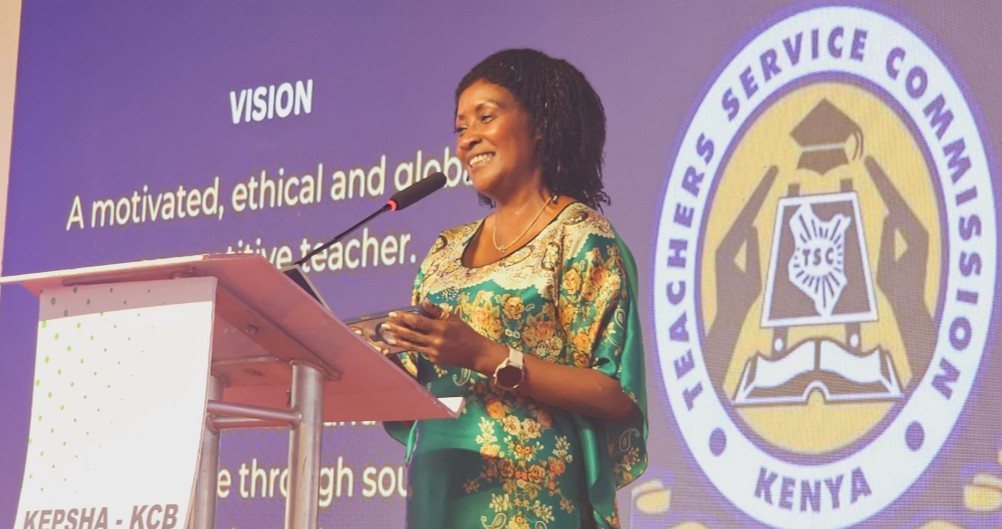
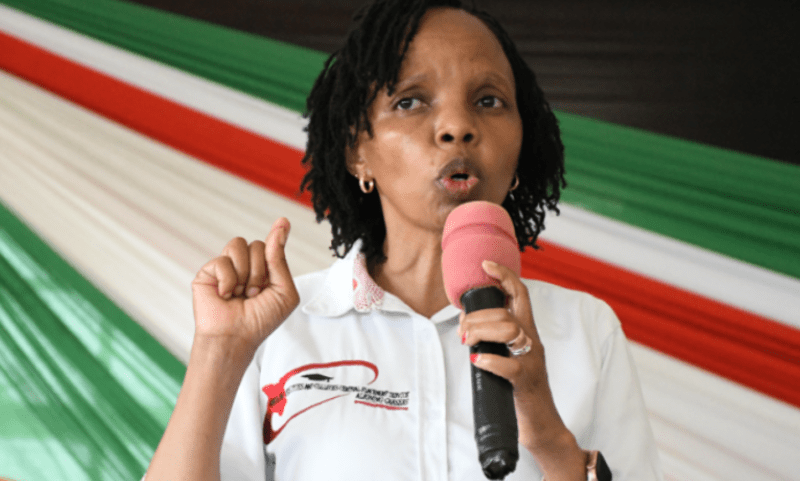
Speaking during the final forum at Jericho Social Hall, Chief Registrar of the Judiciary Winfridah Mokaya highlighted the vital role of public participation in shaping the institution’s priorities.
More To Read
- Taxpayers could pay Sh15 billion annually for judges’ retirement perks, SRC warns
- From colonial cells to court reforms: A walk through Kenya’s Judiciary Museum preserving legal, freedom struggles
- Petition seeks removal of Chief Justice Martha Koome over alleged misconduct and delays
- JSC shortlists 50 candidates for Environment and Land Court judge positions
- JSC shortlists 100 candidates for High Court judge positions
- High Court dismisses Omtatah’s petition on JSC bias in judge promotions
She reminded the gathering that judicial authority is derived from the people and must therefore be exercised with transparency and accountability.
"Judicial authority is delegated by the people, and with that delegation comes an unqualified obligation to account for how resources entrusted to us are deployed," she said.
"We appear before you as stewards of public trust, ready to present our performance and the investment proposals for the year ahead."
Security gaps in courts
Mokaya raised concerns over persistent security gaps in courts, warning that unsafe environments undermine judicial independence and discourage full participation in the justice process by litigants, survivors of crime, children and the general public. Security, she said, remains a "foundational pillar" that must be strengthened.
A major challenge highlighted during the session was severe congestion in Nairobi courts. The capital, with a resident population of 5.4 million and an additional 2.5 million daily commuters, handles nearly a quarter of the country’s total caseload.
This has placed overwhelming pressure on judicial officers and staff managing a wide range of matters, including commercial disputes, traffic offences, family issues, children’s cases and constitutional petitions.
To ease the strain, Mokaya noted that the Judiciary is prioritising the completion of new court buildings in Kasarani, Mihango and Huruma, alongside continued investment in specialised courts such as the Gender Justice, Anti-Corruption, Children’s and Small Claims Courts.
For the 2026/27 financial year, the Judiciary has proposed a budget of Sh46 billion — about 0.7 per cent of the national budget.
Indicative allocation
However, the indicative allocation stands at Sh29 billion, leaving a shortfall of Sh17 billion. Mokaya warned that the gap threatens key areas such as the deployment of judicial officers, automation, infrastructure expansion and the handling of sensitive cases, particularly those involving children.
She reaffirmed the Judiciary’s commitment to digital transformation through expanded e-filing, digitised registries and the Case Tracking System, in addition to investments in alternative justice systems, mobile courts and ADR mechanisms.
"Our proposals are geared toward building a future-ready justice system," she said.
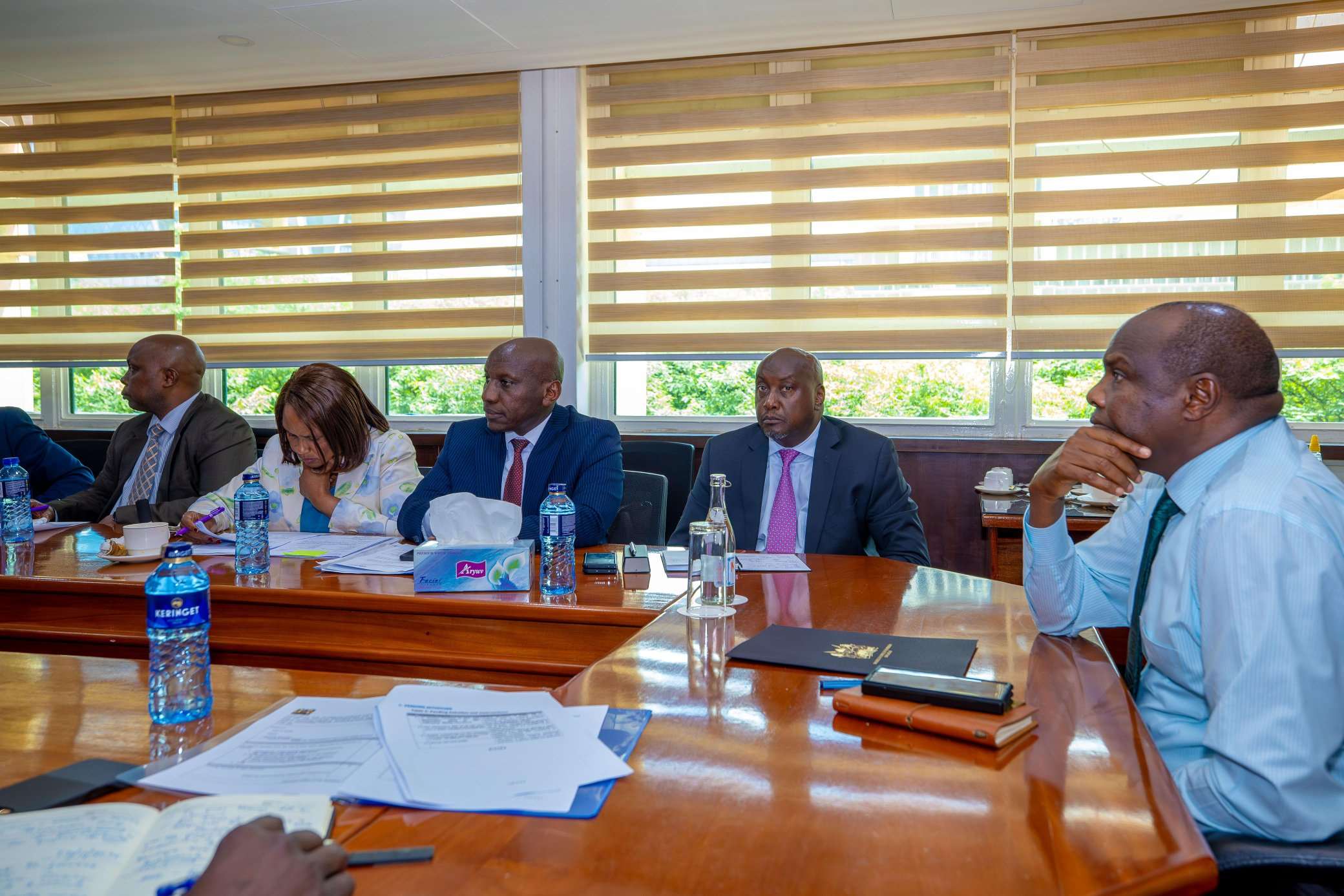
The session also featured presentations from Finance Directors of the Judiciary and the Judicial Service Commission, with Deputy Chief Registrar Paul Ndemo and various Registrars and Directors responding to public queries.
Representatives from government agencies, professional bodies, religious institutions and vulnerable groups also shared their views.
Similar hearings were earlier held in Lodwar, Ol Kalou, Migori and Chuka, marking the conclusion of the nationwide consultation exercise.
Top Stories Today